
Understanding the TU-JR1856PAZ Oven Temperature: A Complete Guide
Every cook learns that success hides in details, especially when using tools fully. Knowing what an oven does matters more than most think. The tu-jr1856paz oven temperature when its heat levels are clear to you. Bread turns golden only if warmth stays exact. Mistakes happen when temperatures drift too low. This look at the machine reveals how dials respond, screens update, and results improve across recipes. Settings shift smoothly once patterns emerge through use. Heat checks become routine after a few tries. Each dish asks something different, yet consistency remains key.
Years passed, ovens changed a lot – today’s versions, such as the tu-jr1856paz oven temperature, pack smart upgrades meant to simplify how we cook. Still, plenty of people struggle to get dishes just right, mostly because they haven’t figured out the exact heat levels on their TU-JR1856PAZ. Baking bread? Roasting chicken? Cranking up the broiler? Each needs its own setting if you want things done properly. Get it wrong, food suffers; get it right, everything clicks into place.
TU JR1856PAZ Oven Overview
Starting off, the TU-JR1856PAZ works well in any kitchen because it handles many types of cooking tasks. Instead of just one method, it offers several ways to prepare food, each adjusted by exact heat settings. Because ease matters during busy meals, its layout keeps things simple for whoever uses it. With thoughtful details built in, people find they can make restaurant-style dishes without special training. Among what stands out are these elements:
- Temperature control lets you set it just right. A dial changes settings easily. Pick your comfort level without hassle. It holds steady once chosen
- Preheat indicator for efficient cooking
- Multiple rack positions to accommodate different dishes
- Safety mechanisms to prevent overheating
Heat settings on the TU-JR1856PAZ matter since every way of cooking works better under specific conditions. Baking a cake? Steady warmth helps it rise without burning. Roast meat instead, then hotter levels help form that crunchy outside layer.
Setting the TU JR1856PAZ oven temperature
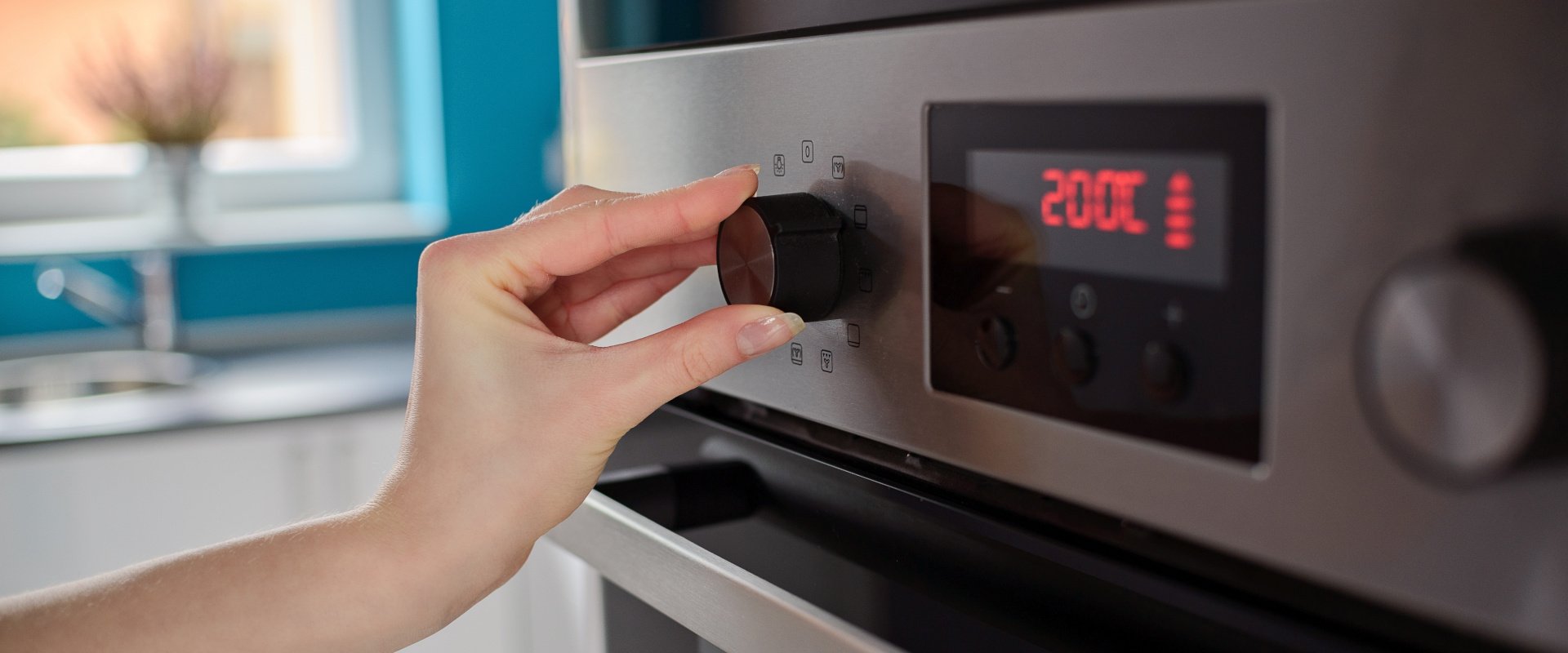
Got the TU-JR1856PAZ oven? Getting the heat right matters more than you might think. One wrong twist and dinner could go off track. Here’s how to set it without slipping up – step by step, nothing skipped
- Start by spinning the knob if yours has one. Some versions let you tap numbers instead on a screen that lights up. Each way works just fine either choice fits.
- Start by checking what heat level the recipe needs. Usually it shows numbers in Celsius or Fahrenheit. Set your stove or oven to that number. That way things cook just right.
- Start by warming up the oven. Getting it ready ensures the heat spreads evenly inside the TU-JR1856PAZ. A steady temperature begins before anything goes in.
- Start checking the heat using a separate oven thermometer. Though your appliance shows numbers, this tool gives real confidence when exact temps matter. Baking relies on precision – trust grows where tools agree.
Start by sticking to each step closely – this keeps food from ending up too raw or burnt. The oven works better when used with attention, not guesswork. Done right, meals come out just how they should.
oven temp accuracy influenced by calibration age placement airflow
Inside the TU-JR1856PAZ oven, the heat might shift a little – no matter how carefully you set it. Things like how often the door opens, what you’re cooking, or even where the food sits play a role. These details change how hot it really gets during baking or roasting. Spotting them helps fine-tune your timing and results without guessing
- Every time someone opens the oven door, heat escapes. That sudden change makes the temperature inside jump around. The more often it happens, the less steady things stay. Inside warmth slips out like water through fingers. Temperature swings follow each interruption without delay. Stability fades with every pull on the handle.
- Close to the heat, dishes might cook unevenly if set too near the top. How food heats depends on where you place it inside. A spot too high risks burning one side while leaving another cold. Watch spacing when arranging items on racks. Too little room above can lead to spotty results. Position matters just as much as timing for even outcomes.
- Waiting too short before baking might make the TU-JR1856PAZ show wrong heat levels. A proper warm-up helps it measure right.
- When it’s warmer in the room, the oven might heat a bit faster. Cooler air around it could slow things down just a little. Heat works differently depending on how hot or cold the space feels overall.
Fixing these things means food cooks right, matching what the recipe expects.
Optimizing Cooking in TU-JR1856PAZ Oven
- Heavy pans hold heat well. Because of this, your TU-JR1856PAZ oven keeps a steady warmth. Good pots do not let things cook uneven. They spread the fire just right. This helps every bite come out even. With thick gear, surprises happen less often. Heat stays where it should. So food behaves better. The right pan makes the machine work smooth. It does not spike or drop too fast.
- A flickering oven light might hint at trouble – when meals bake too fast or stay raw inside, take a moment to test the heat setting. Sometimes numbers on dials lie; adjust them quietly after comparing actual performance. Watch how food behaves, then tweak what shows up on screen.
- Halfway into cooking, spin big dishes around so all sides get equal warmth. Turning food on the tray helps it cook evenly when space is tight.
- Meat needs a thermometer because what’s inside tells the real story. Oven heat plays its part too, though – when it runs steady like in the TU-JR1856PAZ model, getting that perfect finish gets easier. The machine won’t guess for you; it just keeps things moving toward done.
- When the oven runs with convection, dial the heat down just a bit – this keeps food from cooking too fast, even though the TU-JR1856PAZ setting stays useful. Instead of burning edges, you get steady results across the tray.
Common Cooking Scenarios
Baking
Baking sweets like cake or cookies demands steady heat – off by even a little, things go wrong fast. Rising depends on exact warmth, nothing more. Edges char if the flow falters, middle stays raw. Bread behaves the same way when temperatures drift. The machine must hold its number without wavering.
Roasting
Hot heat works well for browning meat or veggies. Inside stays soft and full of juice when you crank up the TU-JR1856PAZ setting high. Crisp edges come easy at that range.
Broiling
Top heat blasts down during broiling. Watch the TU-JR1856PAZ’s temp so meals cook fast but stay safe from scorching, ending up with crisp golden tops. Heat hits hard from above. The right setting on the TU-JR1856PAZ keeps things moving quick while dodging char, leaving surfaces nicely darkened. Searing comes from overhead flames. Keeping an eye on the TU-JR1856PAZ gauge means speed without disaster, bringing out rich color on your dish.
Maintaining Your TU JR1856PAZ Oven
A well-kept oven holds its heat steady over time. Try these steps:
- Wipe things down now and then. Grease sticks around, messes with how evenly the heat spreads.
- Start by looking at the seals around your oven door. A gap or tear means warmth escapes during cooking. That missing heat might change how hot the inside gets. For the TU-JR1856PAZ model, even small leaks matter. Damaged seals lead to uneven results. Warm air slipping out forces the unit to work harder. Over time, this affects performance. The seal must fit snug against the frame. Any warp or crack breaks the barrier. Keeping it tight helps hold steady heat.
- A technician should check the system now and then. This helps sensors stay accurate over time. Every so often, a full inspection prevents small issues. Accuracy depends on consistent upkeep through scheduled visits.
Every now then, a clean oven runs better over time – its reliability sticks around longer when cared for. A little upkeep keeps results steady each time you turn it on.
Conclusion
Every meal begins with knowing how hot your TU-JR1856PAZ really gets. Before anything cooks, it needs time to warm up fully – patience here matters most. Baking something light? Roasting chicken? Trying a dish you’ve never made before? Each one depends on accurate heat control. Small steps like cleaning the inside or checking dials add up over time. When handled right, this machine stops being just an appliance and starts working like part of the process itself.

Related Posts

How Small Businesses Can Prepare for Technology Changes

Your First Live Sporting Event: A Practical Guide
